Hear perspectives and insights to build stronger, more successful swim schools.
John Mitchell, Director, Delta Gymnastics
"Systems make us good. People make us great." That's the line John Mitchell has spent thirty-five years earning. John started at university studying physiotherapy - and it lasted 30 days. He moved to business management, and that lasted one semester. John moved on to learning from books and industry leaders, and he says he is now right in the middle of a lifetime of learning.
Session 1: Strategy - Building a Moat in a Pool
How to build a sustainable competitive advantage and actually execute it.
Most swim schools compete on timetable, price, and pool temperature. That's not a strategy that's a shopping list. In this session John unpacks what a real competitive advantage looks like in a children's activity business and why most operators never build one.
Drawing on thirty years of building, and nearly losing, a multi-site youth enrichment business, plus lessons learned from a government-backed research program into why kids drop out of sport, John will challenge the room to think past the next intake and ask the harder question: what are we actually building here, and why does it matter?
Takeaways:
The difference between a busy business and a defensible one
Why "people-focused and data-driven" is the only moat that compounds
How to translate strategic intent into weekly execution without losing the humanity that got you into this industry
Session 2: Transforming the Team That Transforms the Kids
Why your team is the product and how to lead one worth staying for.
In a Learn to Swim business, the quality of the experience walks out the door every afternoon at 6pm. Your instructors are your product. So why do most operators spend more time on marketing than on the people who actually deliver the thing being marketed?
John will share how Delta transformed from a founder-dependent business into one where the team drives the growth the hard lessons, the systems that made it repeatable, and the shift in the founder's own role that had to happen first. This is not a session on rostering or retention hacks. It's a session on what it takes to lead people who will outgrow the job you hired them for, and why that's the goal.
Takeaways:
Why systems make us good and people make us great
The leadership shift required to move from being the expert to building experts
How to measure what actually matters in your team's growth, not just their attendance
About John
At 21 he walked into a struggling little not-for-profit gym club and decided to change the way gymnastics was done in Australia. By his late twenties he'd built seven gyms, four physio practices, a rehab company, volleyball centres and a merchandise range . . . and very nearly lost the lot. The undisciplined pursuit of more, he calls it now. It's the teacher most of us would rather not have.
What he rebuilt with his wife Megan is Delta Sports: eight gymnastics clubs, three paediatric clinics for neurodivergent children, and more than 6,000 kids through the doors every week. The work earned them Westpac Small Business of the Year, The Summit's Pacific Crest Award for contribution to the industry, and Outstanding Contribution recognition from the International Association of Childhood Development Programs.
John sits on the board of Gymnastics Clubs Australia and is a Fellow of the Australian Institute of Company Directors. He now also runs a SaaS company built for the Youth Enrichment Industry bringing everything he has learned into a system that can be replicated consistently. Through that platform he is currently part of a government-backed research program into keeping kids in sport. One that has already more than halved dropout rates in gymnastics, with research now underway into how the same approach can be applied in Learn to Swim.
John loves learning. He loves sharing what he's learned. And he's convinced that an industry that wants to keep kids engaged has to be both people-focused and data-driven - not one or the other.
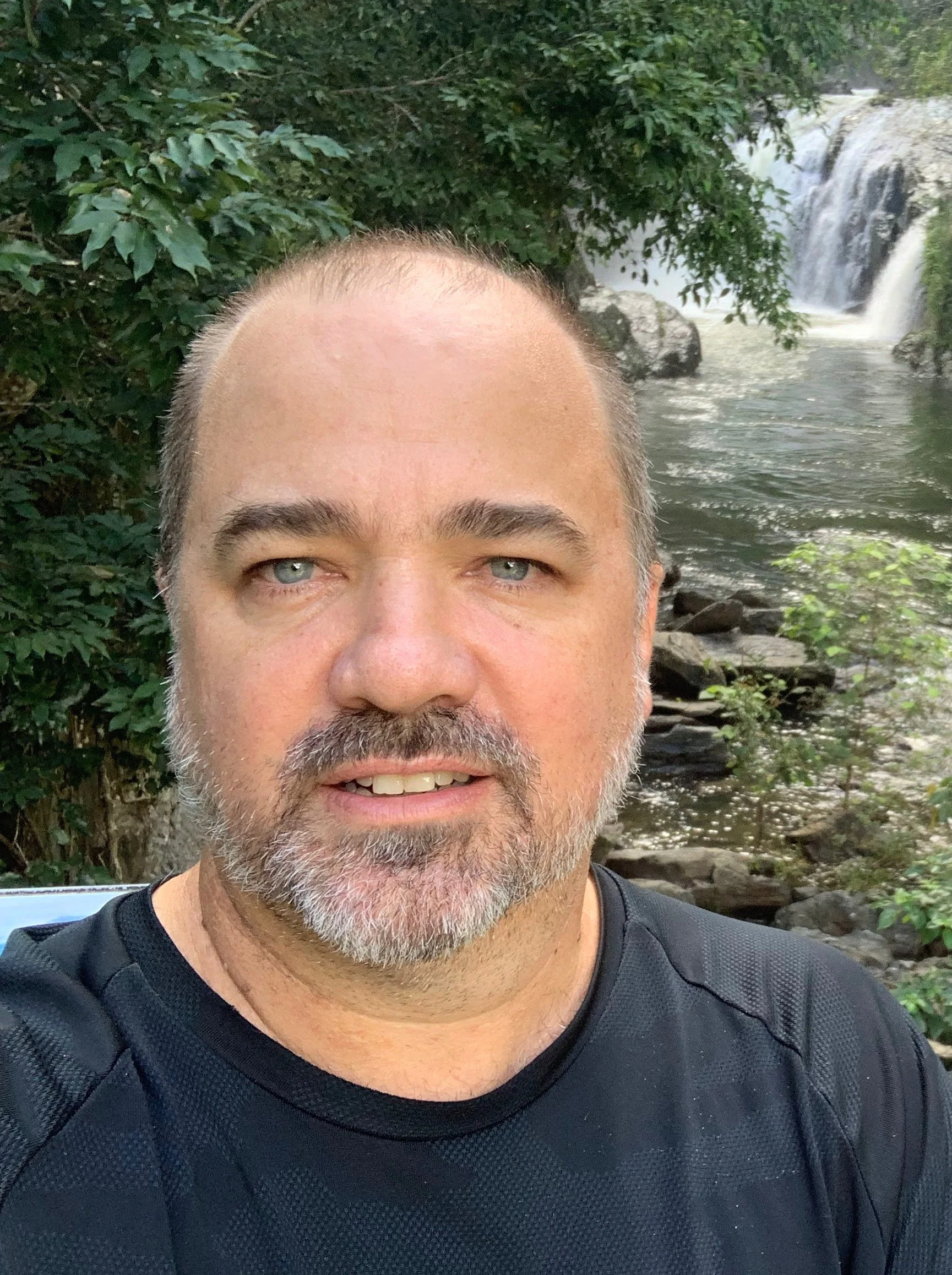
Goldie Feinberg, Clarity Architect. Leading Yourself First: Clarity, Confidence, and Connection in Leadership
Goldie will present two 45-minute sessions on ‘leading yourself first’ as well as offering bonus ‘clarity clinics’ during break times.
Running a swim school, a gymnastics club, or any business built around kids and families is people work, all the way down. The families, the staff, the culture you're trying to hold together while also trying to grow something. It's genuinely demanding, and most of the hard bits don't come with a manual.
This session is a practical look at the stuff that doesn't always get talked about: what happens to your thinking when pressure goes up, how to get on the same page with people who operate very differently to you, and how to make a call when everything feels equally important.
The first session focuses on you: your patterns, what steadies you, what throws you off, and how to lead from a clearer place even on the hard days. There's a short live demonstration that tends to land well.
The second session is more outward: understanding the different people in your team, having the conversations you've been putting off, and finding a bit more ease in the decision-making.
What you'll take away:
A better understanding of your own patterns under pressure
A simple way to work with the different personalities in your team
A practical tool for decisions when everything feels urgent
A framework for the conversations you've been putting off
A bit more confidence in how you show up
The reminder that everyone else in the room is working through similar things
Clarity Clinics - bonus 1:1 sessions during the breaks
During the breaks, Goldie is offering a small number of short, private sessions:15 to 20 minutes each. If there's something specific on your mind, a situation you're not quite sure how to handle, or a decision you keep going around in circles on, bring it along. These sessions are free if you are attending TSSE 2026.
About Goldie
Goldie has spent her career being genuinely curious about people. Not in a theoretical way. In a what's-actually-going-on-for-this-person way.
"It's never really about the strategy or the system. It's always about the people inside it."
She studied behavioural studies, commerce, and management, but the real learning happened on the job. Goldie has worked in startups where everything was uncertain and everyone was figuring it out as they went. In large organisations where the complexity never stopped. In hospitality, where she got very good at reading a room. In the not-for-profit world, where people show up because they care, full stop. And in some rooms where the stakes were high and discretion mattered.
What Goldie kept noticing, across all of it, was this: when things get difficult, it’s rarely about the plan. It’s about what’s happening for the people carrying it. The clarity that goes missing. The confidence that wobbles quietly. The conversations that keep getting pushed to later.
Her work is about that space. Helping people understand themselves a bit better, communicate more easily with the people around them, and make good decisions even when things feel messy.

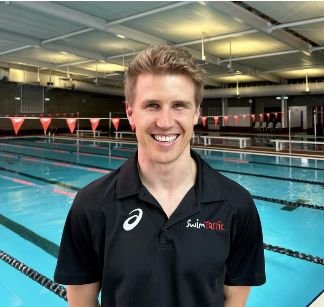
Stefan Jans, Operations Manager, SwimTastic
This session addresses the "retention squeeze" currently facing swim schools, particularly how the significant rise in the minimum wage since 2009 has eroded traditional pay premiums for skilled instructors. We will explore strategies to reclaim the high-value status of swim teaching to attract and retain top-tier talent.
Additionally, we will discuss how AI can automate administrative overhead to find the "efficiency dividend" necessary to increase teacher remuneration, making a career in swim instruction a more compelling financial and professional choice for the next generation.
About Stefan
As Operations Manager, Stefan’s focus is on the day-to-day coordination that keeps SwimTastic running smoothly: working to ensure programs remain effective and up-to-date, and providing a reliable environment for swimmers and their families. Stefan is committed to supporting SwimTastic’s staff and maintaining the high standards of safety and instruction the community expects.
His responsibilities include
Program Oversight: Keeping the curriculum at the forefront of swim education and safety standards.
Staff Support: Working alongside instructors to help them grow as educators and maintain a positive learning environment.
Facility Operations: Managing the logistics and business functions that allow the team to focus on teaching.
Stefan’s background and experience
Committed to the long term (2009–present). Stefan joined SwimTastic in 2009 as a part-time instructor, progressing through various roles into management giving him a practical understanding of how the school functions, helping to bridge the gap between coaching and business operations.
NZSCTA Rookie Swim Coach of the Year (2015): Early in his career Stefan was recognised by the New Zealand Swim Coaches and Teachers Association for his contributions to swim coaching.
Practical Mentorship: Having worked closely with Mark Bone for many years, Stefan has learned the importance of consistency and dedication in maintaining a respected swim program and is proud to help carry forward SwimTastic’s reputation for quality in the New Zealand Learn to Swim industry.
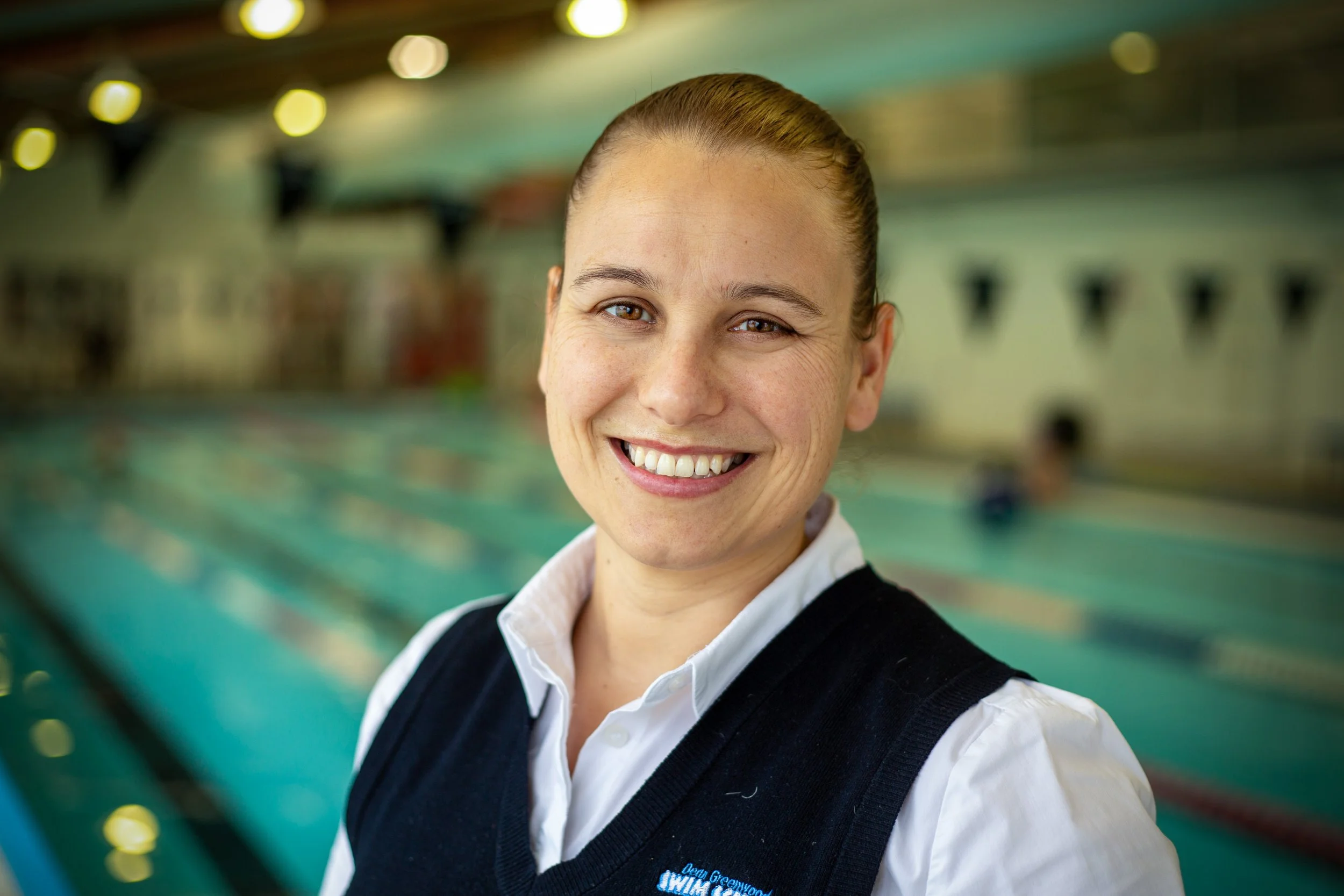
Ashleigh Pushon, Northern Area Manager, Dean Greenwood Swim School
Session synopsis – Leading teams with confidence and credibility. Leadership isn’t defined by title, it’s shown through everyday actions.
This session explores how trust, consistency, and clear expectations shape team performance, and why breakdowns in these areas often lead to communication issues, low accountability, and inconsistent results.
Using practical, real-world examples, Ashleigh shares simple, effective ways leaders can strengthen team culture, improve performance, and lead with greater confidence and clarity.
About Ashleigh
Ashleigh is the Northern Area Manager at Dean Greenwood Swim School, with extensive experience across teaching, training, and leadership. She began her career as a swim instructor in 2008 and has been with Dean Greenwood Swim School since 2011, progressing into regional leadership. Her work focuses on developing strong teams, supporting instructors through nationally recognised qualifications, and delivering consistent, high-quality operations.
As a Te Mahi Ako assessor, Ashleigh contributes to the wider aquatics industry through formal assessment and training pathways. She is known for her practical, straightforward approach and her focus on building confident leaders at every level.
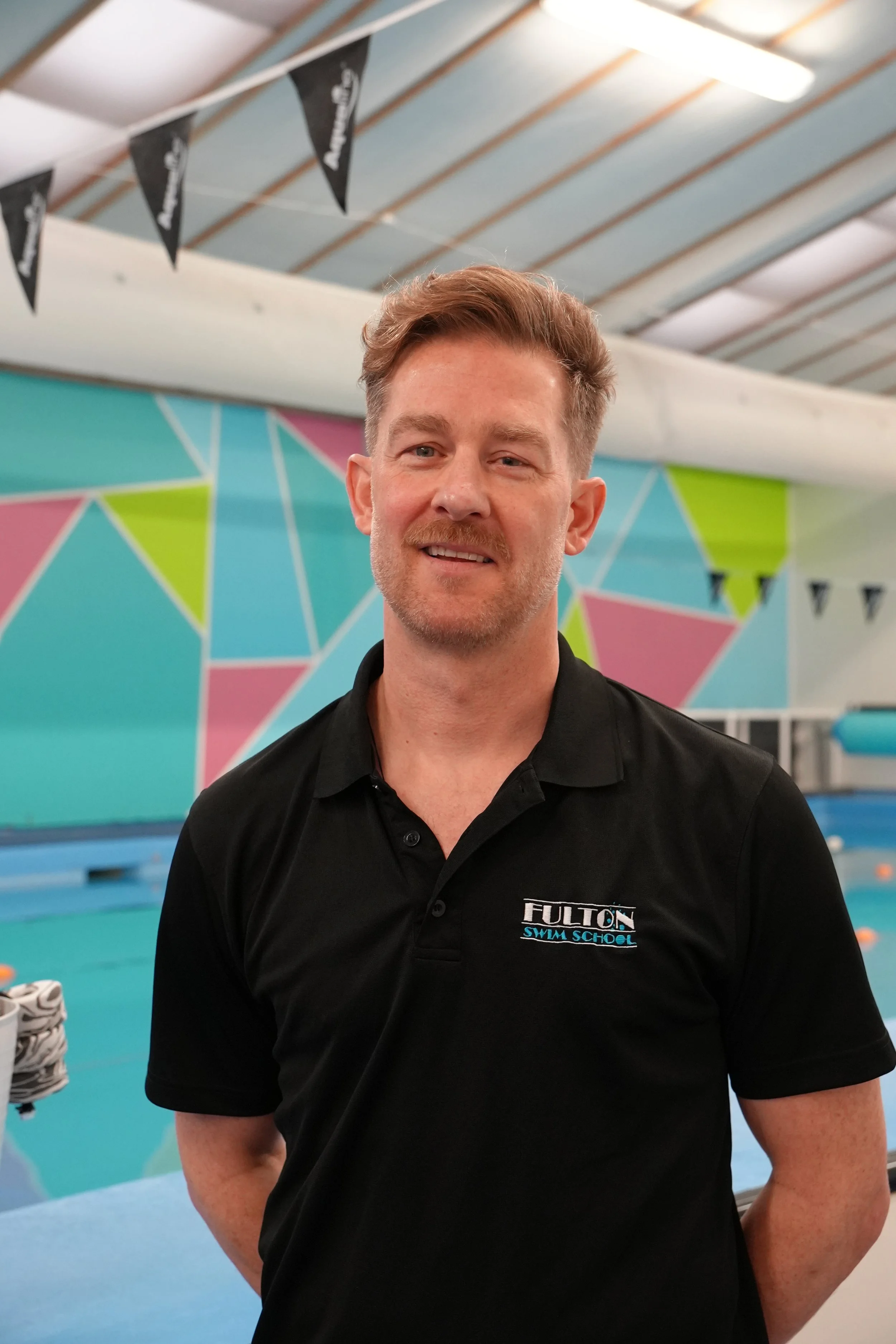
Fabian Hauschild Rogat, Fulton Swim School New Plymouth, Site Manager
Leading with Kindness: Unlocking the Potential of Your Next Generation Team
Today's swim school leaders face a very different workforce to the one they entered themselves. So how do we create workplaces where young people feel valued, challenged, and inspired to stay?
Fabian shares why modern leadership is no longer about authority: it's about connection.
You'll hear how leading with empathy, authenticity, kindness, and a growth mindset can transform your team culture and develop confident, capable employees.
Fabian will explore how to:
Build psychological safety so staff feel respected, supported, and able to contribute.
Lead with honesty and vulnerability to strengthen trust and credibility.
Turn mistakes into learning opportunities that build confidence and resilience.
Create environments where innovation is encouraged rather than feared.
Develop the next generation of leaders, thinkers, and problem-solvers within your swim school.
Learn from younger employees to keep your organisation adaptable, relevant, and future-focused.
Whether you lead a team of five or fifty, this session will challenge the way you think about leadership and provide practical ideas you can implement in your school. Leadership isn't a title: it's an opportunity to shape people, build culture, and create the future of the NZ swim school sector.
About Fabian
Fabian brings a unique blend of international experience across education, leadership, community engagement, and aquatic operations.
Originally from Hamburg, Germany, Fabian has lived and studied in Scotland, France, New Zealand, and Australia. His background includes degrees in English and International Law, alongside roles with global organisations including Amnesty International and Greenpeace, before transitioning into education where he spent more than a decade working across kindergarten, primary, and secondary school settings.
Most recently, Fabian managed one of Germany's largest swim school operations before relocating to New Zealand in 2025. He now serves as Aquatic Site Manager and Swim Instructor with Fulton Swim School in New Plymouth.
With a passion for developing people, creating positive learning environments, and sharing ideas across cultures, Fabian brings a fresh international perspective to the future of swim school leadership and learn-to-swim education.